Understanding the Process of Painting Outside Your Home
Painting the outside of your home is more than just a cosmetic upgrade. It protects your house from weather damage and can boost its value. Knowing what happens during a project like this helps you prepare. This guide will take you through the steps involved, highlight the benefits, and address common concerns.
Initial Planning and Preparation
Before any painting begins, proper planning is crucial. This starts with choosing the right colors and materials. Next, you’ll need to assess the current state of your home’s exterior. Check for any repairs needed before painting. Small cracks or damaged wood should be fixed first to ensure a smooth finish.
Cleaning and Surface Preparation
The next step in an exterior painting project involves cleaning surfaces thoroughly. Dirt, mold, and peeling paint must be removed. Professionals often use power washing for this task. Once clean, surfaces need to be sanded and primed. Priming ensures that the paint adheres properly and lasts longer.
Choosing the Right Paint Type
Selecting the appropriate paint type is vital for lasting results. Factors like local weather conditions affect this choice. Water-based paints are generally good for humid areas, while oil-based paints work well in dry climates. Make sure to discuss these options with your contractor.
Application Techniques and Tools
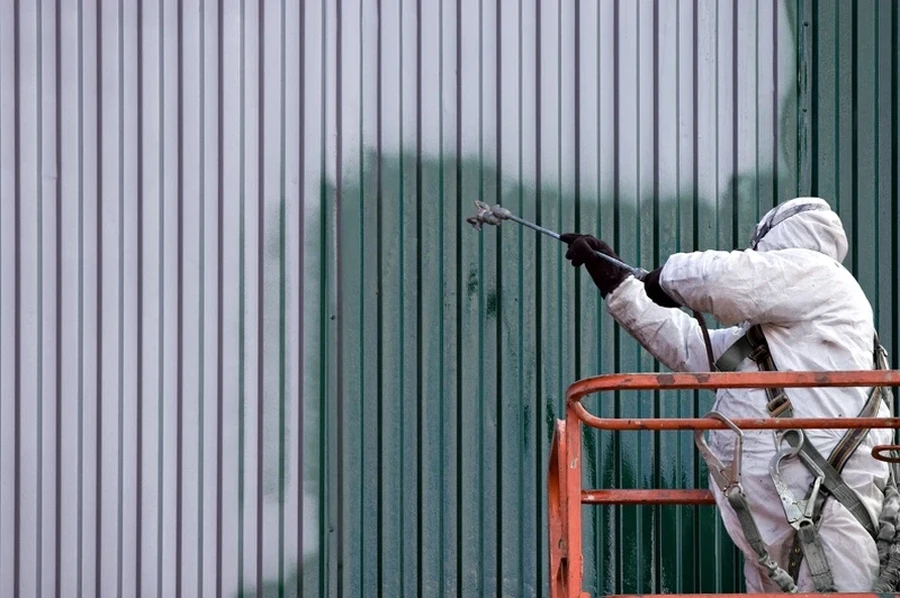
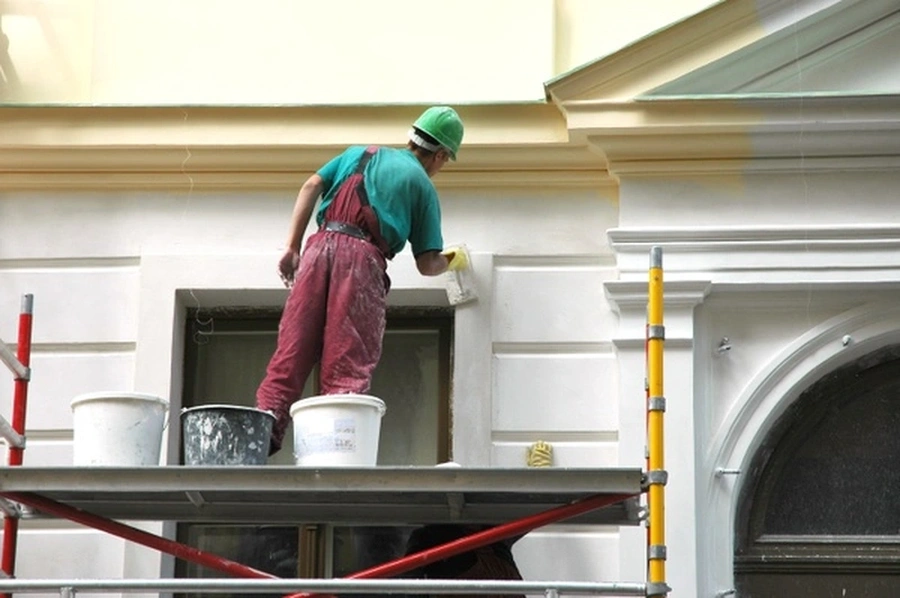
A variety of tools are used during exterior painting. Brushes, rollers, and sprayers each serve different purposes. Using the right tool depends on the surface being painted. Sprayers are great for large flat areas, while brushes are better for detailed work.
- Smooth application with rollers
- Detail work with brushes
- Large coverage using sprayers
Weather Considerations and Timing
The timing of your painting project can significantly impact the outcome. It’s best to plan around mild weather conditions. Extreme heat or cold can ruin fresh paint. Rain is another factor that needs consideration, as it can wash away newly applied coatings.
Quality Assurance and Final Touches
After painting, careful inspection is key to ensuring quality. Look for streaks or missed spots. Touch-ups might be necessary for a perfect finish. Sealants can also be applied for extra protection against weather elements, extending the life of your paint job.
Cost Considerations and Budgeting
Understanding the cost factors involved will help you budget effectively. Prices vary based on house size, paint quality, and labor costs. Get quotes from multiple contractors to compare prices and services offered. Remember, investing in high-quality paint can save money in the long run by reducing maintenance needs.
Your Guide to Successful Exterior Projects
If you’re planning to enhance your home’s look, consider hiring Ibarra's Painting to handle your project. Located in River Rouge, MI, I offer expert advice and exceptional service. Call (734) 215-6986 today for a consultation tailored to meet all your painting needs.